
24/7 Emergency Response · All of California
Scene Cleanup & Debris Removal in California
Following traffic collisions, vehicle fires, cargo spills, or roadway incidents, prompt cleanup is essential to restore safety and reopen the area quickly.
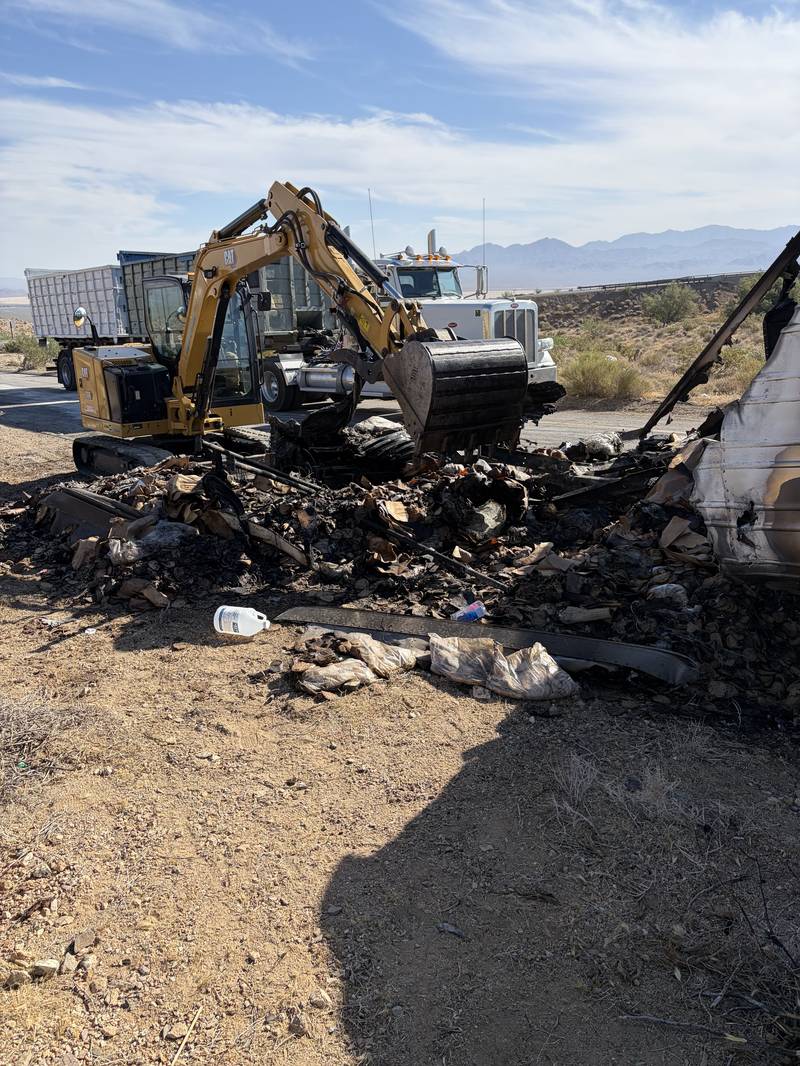
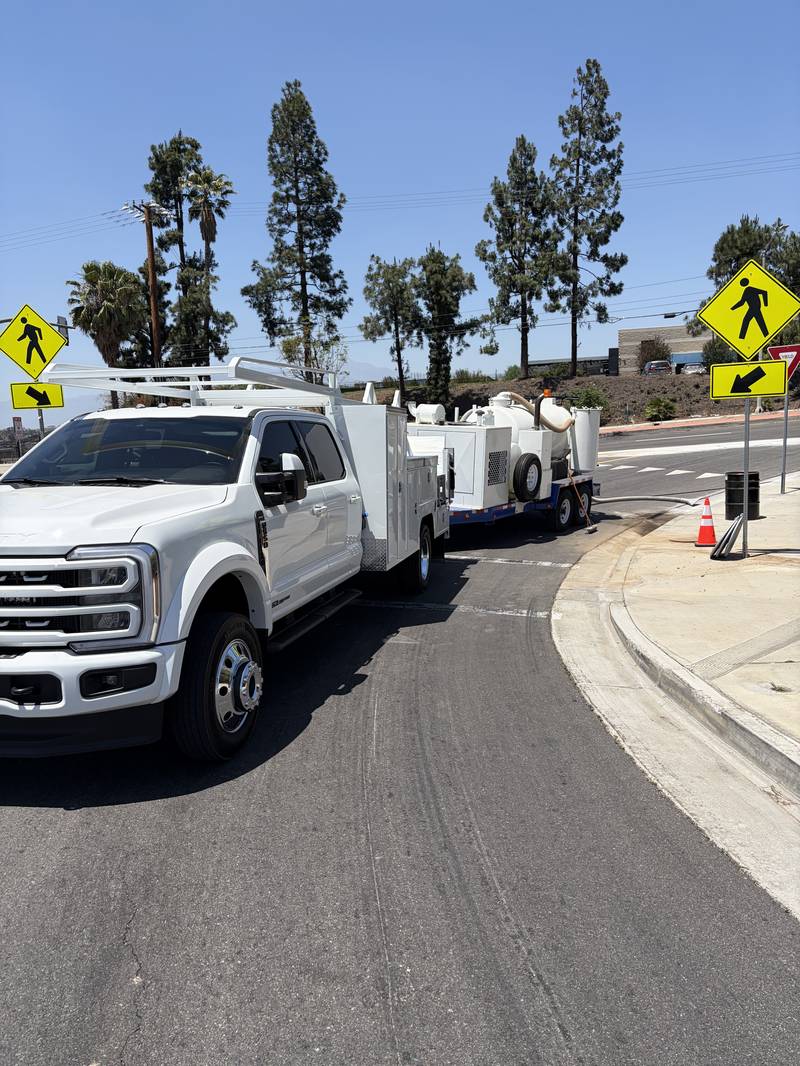
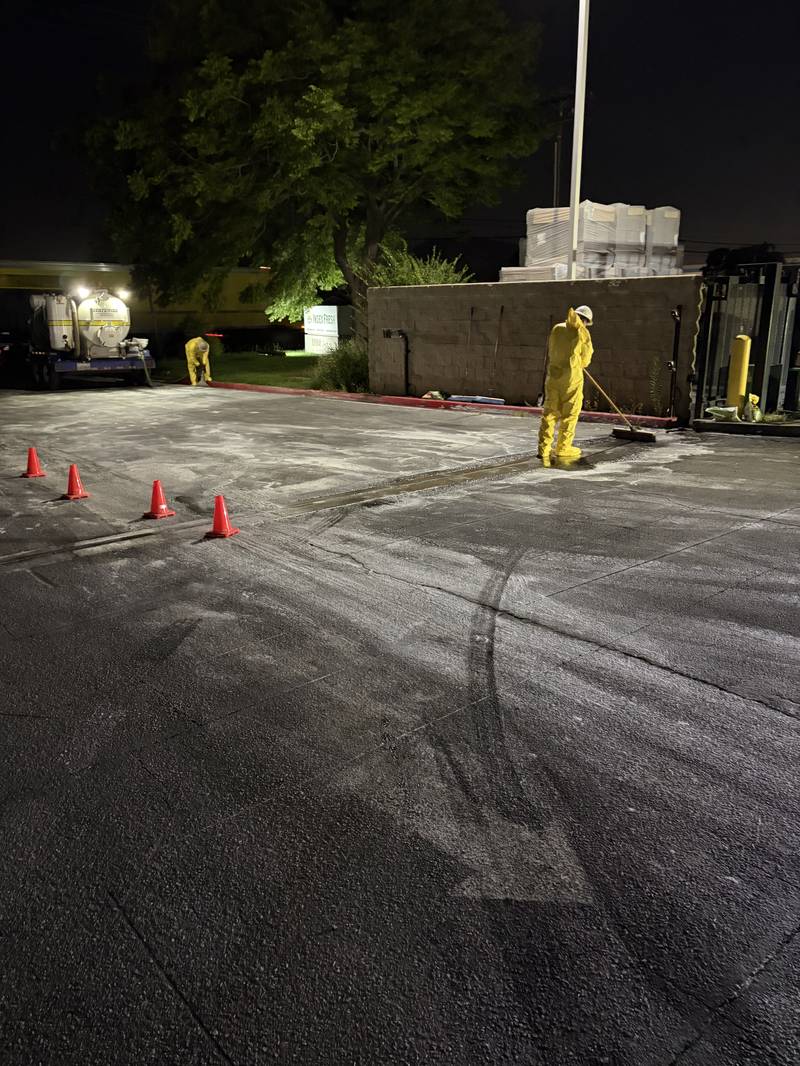
SpillSafe Environmental provides professional non-hazardous debris removal and site cleanup services 24 hours a day, 7 days a week: roadway debris from collisions, burned vehicle debris and residue, scattered cargo and trash, and general surface washing and site restoration.
We work alongside first responders and towing operators so lanes reopen faster and the scene is left genuinely clean, not just cleared.
Coordinate the Cleanup Scope
Provide the location, access restrictions, known cargo or fluids and the towing or incident contact. Identify any ongoing release when you call so cleanup and recovery needs can be discussed together.
Related services: Fuel Tank Tap & Transfer and Steam Cleaning & Waste Recovery.
What We Handle
- Roadway debris from traffic collisions
- Burned vehicle debris and residue
- Trash and scattered materials
- Damaged cargo cleanup
- General surface washing and site restoration
How a Call Unfolds
A scene cleanup call typically comes from a CHP or police dispatcher, a fire captain, a tow operator, or a Caltrans or public works supervisor once the injured are away and the wreck is ready to move. The lanes are covered in glass, plastic, metal, cargo, and the fluids that come out of a modern vehicle in a collision. We ask which lanes and how much roadway, what the debris and cargo are, whether there was a fire, whether anything hazardous is suspected, and who holds the scene.
On arrival the crew checks in with the incident commander and works from the upstream end of the debris field. Fluids are absorbed and recovered first so nobody is sweeping through them. Debris is picked up by hand and by broom or sweeper, cargo is consolidated and bagged, boxed, or loaded, and burned vehicle residue is scraped and collected. Where a cargo spill turns out to include something regulated, the crew stops, identifies it from the shipping papers, and handles it as a spill response rather than trash.
Once the surface is clear the crew washes it if fluids have left the pavement slick, recovering the wash water, and does a final walk with the officer or Caltrans supervisor before the lanes reopen. Debris goes out as non-hazardous waste, and anything regulated goes under manifest. The customer receives the photographs and the disposal records, and on freeway incidents the responsible party's insurer generally receives the bill.
On Scene
Expect a response truck with brooms, shovels, absorbent, bags, drums, and a pressure washer with recovery, and a dump truck or roll-off for a heavy debris or cargo load. CHP or local police hold the closure, fire is often still there if there was a vehicle fire, and the tow operator is loading the vehicles. Caltrans or the city's public works crew may be present, and on a state route they decide when lanes reopen and may want damaged guardrail or signage noted. The crew works around the tow so the vehicles leave while the sweep continues, and gives the incident commander a straight answer about how long until the surface is safe.
Documentation You Receive
The customer receives a field report with the location, lanes affected, a description of the debris and cargo, the fluids recovered, and photographs of the scene before and after. Non-hazardous debris is documented with the disposal facility's receipt. Fluids, spent absorbent, and any regulated cargo are characterized and profiled, and leave under a manifest or bill of lading to a permitted facility with the signed return following. For a trucking company this is the packet their claims department needs to recover the cost from the responsible party; for an agency it is the record that the roadway was returned to a safe condition.
Need scene cleanup now?
Available 24/7 alongside CHP and fire, with cleanup coordinated around scene access and the scope of the release.
Common Questions
Does the tow operator handle the debris?
Tow operators generally clear what is necessary to hook and remove the vehicles, and some will sweep glass. Fluids, burned residue, scattered cargo, and a full lane-by-lane sweep are typically beyond what they are equipped or contracted for. We work alongside them so the vehicles and the mess leave at the same time.
What if the cargo is hazardous?
Then the job changes. The crew identifies the material from the shipping papers or placards, sets containment, and handles it as a spill response with the appropriate waste characterization and manifesting. Tell the dispatcher what the truck was carrying if you know, so the right equipment is loaded from the start.
Can you clean up after a vehicle fire?
Yes. Burned vehicle residue, melted plastic, fire suppression foam or water, and the fluids released as the vehicle burned are all picked up, and the pavement is washed with recovery. Fire debris can include materials that are handled as regulated waste, and the crew sorts accordingly.
Who pays for freeway scene cleanup?
In most cases the cost is billed to the party at fault or their insurance carrier, and our documentation supports that claim. Agencies sometimes call us directly and handle cost recovery themselves. Our guide on who pays for spill cleanup walks through the usual scenarios.
Where We Provide This Service
- Los Angeles County
- Orange County
- San Bernardino County
- Riverside County
- Ventura County
- San Diego County