
24/7 Emergency Response · All of California
Fuel Tank Tap & Transfer in California
When vehicles, trucks, or tankers are involved in collisions, fires, rollovers, or recovery incidents, damaged fuel tanks can create serious safety and environmental risks.
SpillSafe Environmental provides professional fuel tank tapping and fuel transfer services to safely remove and contain fuels from compromised tanks before the situation escalates.
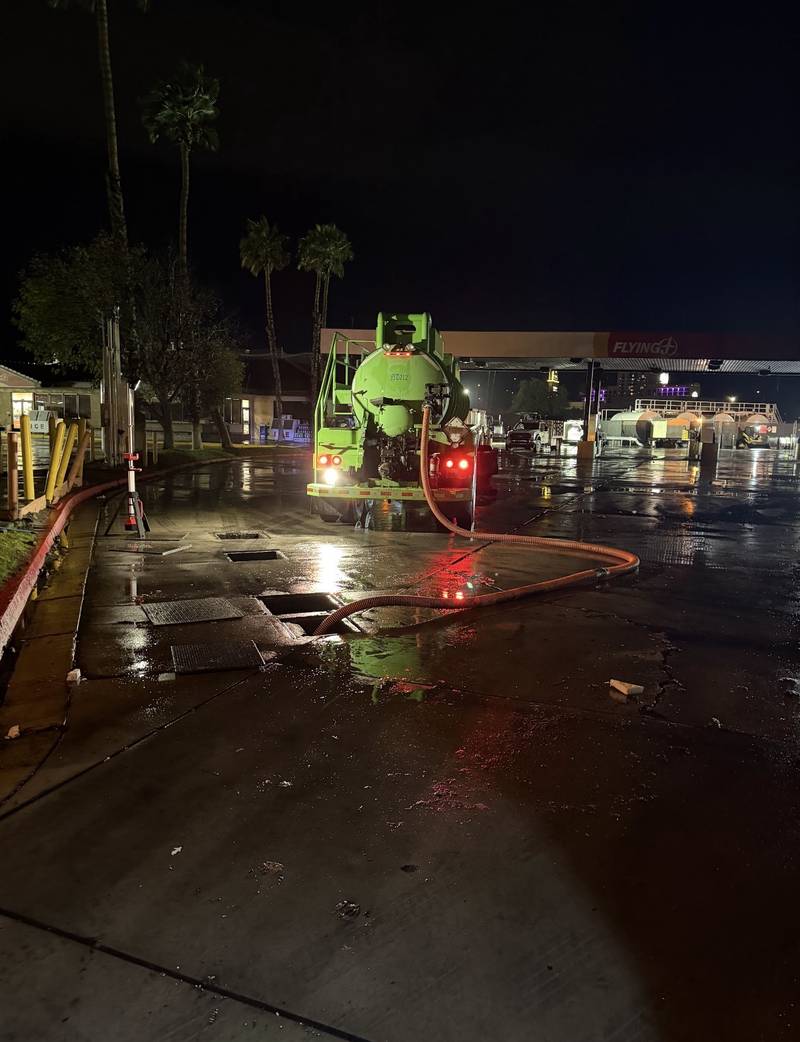
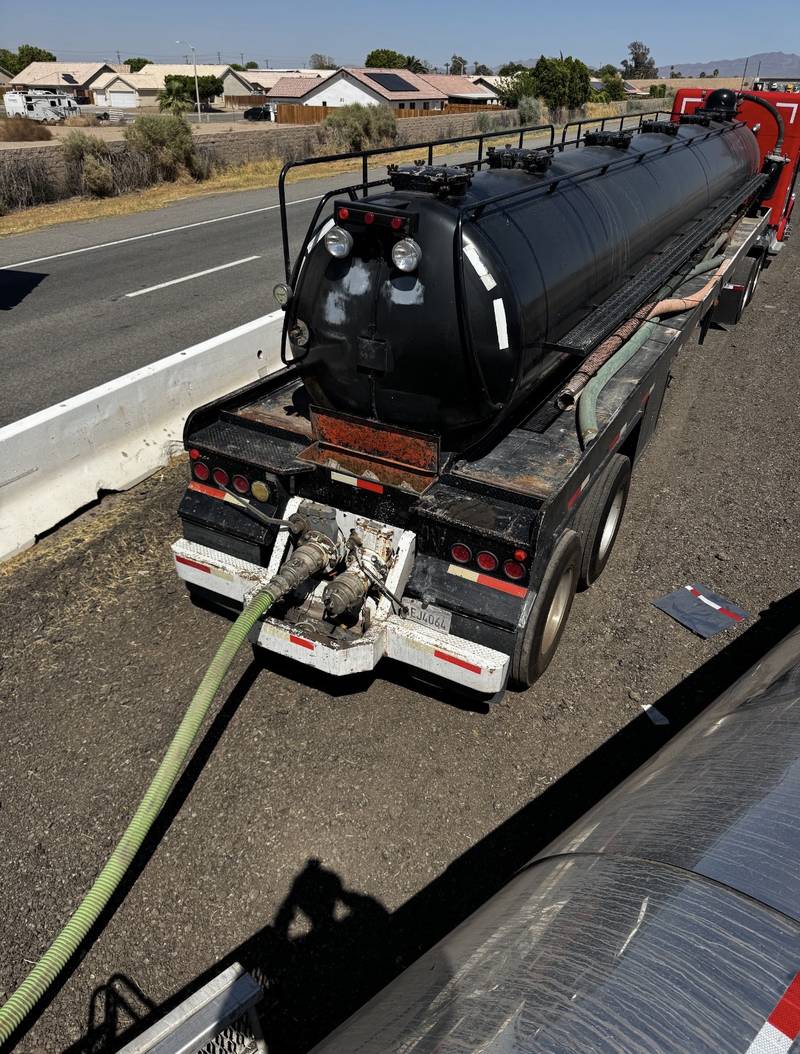
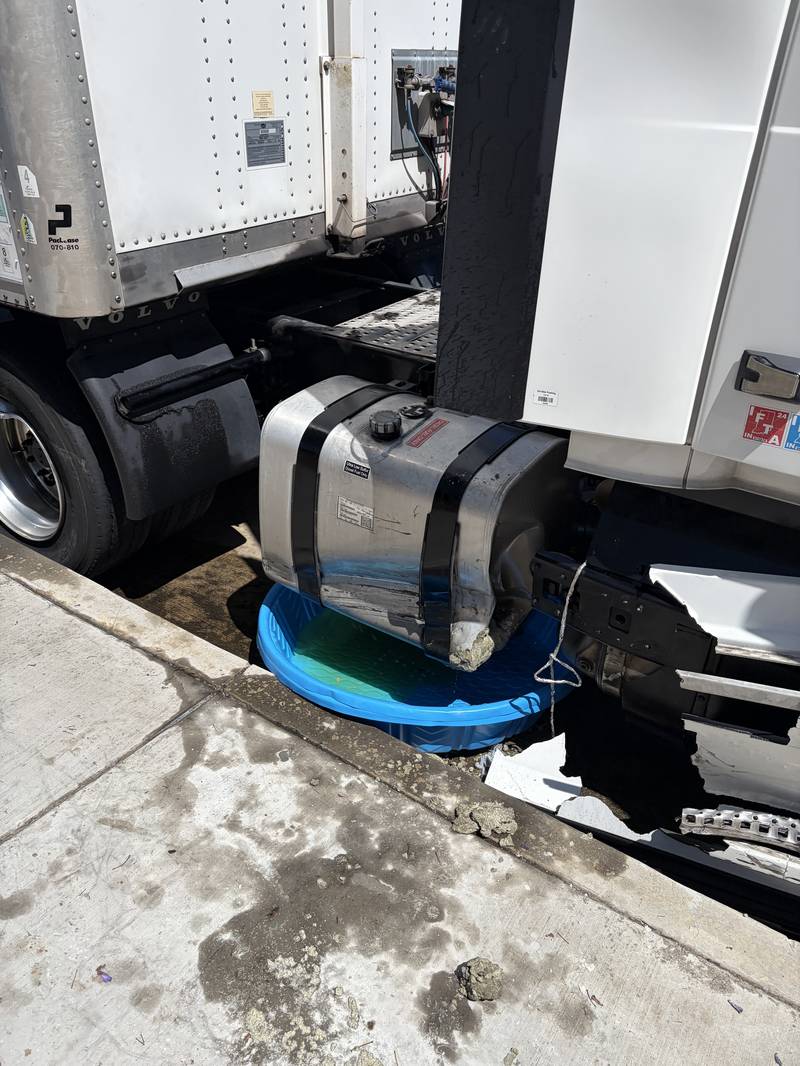
Our crews pump fuel from wrecked or burned vehicles and transfer fuel from damaged, leaking, or unstable tanks, preventing further environmental contamination while the scene is cleared. Recovered fuel is safely stored, transported, and disposed of according to regulation.
We regularly support law enforcement, fire departments, and towing operators who need a compromised tank handled before a vehicle can be moved. Available 24 hours a day across California.
Planning a Fuel Transfer Response
Tell us the vehicle or tank type, known fuel, whether a leak is active and who controls the scene. Confirm access and response availability by phone. Do not attempt to tap or transfer fuel yourself.
Related services: Emergency Spill Response & Cleanup and Scene Cleanup & Debris Removal.
What We Handle
- Pump fuel from wrecked or burned vehicles
- Transfer fuel from damaged, leaking, or unstable tanks
- Prevent further environmental contamination
- Support law enforcement, fire departments, and towing operators
- Safely store, transport, and dispose of recovered fuel
How a Call Unfolds
These calls almost always come from a scene that is already active: CHP or a fire captain with a truck on its side, a tow operator who will not hook a vehicle with a compromised saddle tank, or a fleet manager whose tractor was in a collision and cannot be moved with fuel aboard. We ask what kind of vehicle and tank, whether it is diesel, gasoline, or something else, whether it is leaking now and how fast, how the tank is sitting, and whether fire is on scene. Those answers determine the pumping method and what containment goes on the ground first.
On arrival the crew places containment under the tank and any active drip, then chooses the safest way to get the fuel out: through the fill neck or the existing fittings when they are reachable, or by tapping the tank at a controlled point when they are not. Product is transferred to drums, a tote, or a transfer tank on the response vehicle. Anything already on the ground is absorbed and picked up while the transfer runs. On a rolled tanker the work is slower and coordinated closely with fire, since the volumes are larger and vapor is the concern.
Once the tank is empty, or down to a level the tow operator and the incident commander accept, the crew confirms the vehicle can be moved, cleans up the spot under it, and releases the scene. Recovered fuel goes out as a documented waste stream. The customer gets the volume recovered, the disposal paperwork, and the scene photographs, which is usually exactly what the carrier's insurer asks for first.
On Scene
A fuel transfer response brings a response truck carrying pumps, hoses, tank-tapping tools, drums or a transfer tank, containment pans, and absorbent, with a vacuum truck for larger volumes or a tanker incident. Fire is typically already on scene and stays for the transfer, sometimes with a charged line staged nearby. CHP holds the closure. The tow operator is the other key party, and the crew works to their sequence: which side the vehicle will be pulled from, whether it must be righted first, and how much fuel can safely stay aboard for the trip to the yard. On a private site the fleet manager or the vehicle owner is the contact, and the work is the same with less traffic around it.
Documentation You Receive
The customer receives a field report with the vehicle description, the tank and product involved, the volume recovered, the method used, and photographs of the tank, the containment, and the cleaned ground. Recovered fuel is characterized as a regulated waste, or as recoverable product where it is clean and the customer wants it returned to service, and profiled to a permitted facility. It leaves under a manifest naming the generator, the transporter, and the destination, with the signed return copy following. Absorbent and any contaminated soil from under the vehicle are documented as separate streams. This is the packet a fleet's insurance adjuster or a carrier's safety department uses to close out the incident.
Need fuel tank transfer now?
Available 24/7. We tap and transfer on scene so a compromised tank stops losing product.
Common Questions
Can the tow operator just move the truck with the tank leaking?
Most tow operators will not, and for good reason: dragging a leaking tank down the shoulder spreads the release along the whole path and puts the tow driver at risk. Getting the fuel out first is faster than it sounds. It also means the yard the truck is towed to does not inherit a spill.
Do you handle gasoline as well as diesel?
Yes, and gasoline changes the approach because of vapor. The crew works with fire on scene, grounds and bonds the transfer, and uses equipment suited to flammable liquids. Diesel is more forgiving on the fire side but persists longer on pavement and in soil, so the ground cleanup is often the bigger job.
Can we get our fuel back?
That depends on the fuel's condition and on what the fleet wants. Clean product that has not mixed with water, coolant or debris can sometimes be transferred as product rather than waste. Anything from a fire, a rollover that mixed it with other fluids, or a tap that introduced contamination is handled as waste under manifest. Ask when you call and the crew will tell you which way it is likely to go.
What about the fuel that already leaked out?
That is cleaned up as part of the same response. Free liquid is absorbed or vacuumed, the pavement is worked, and if fuel soaked into the shoulder the impacted soil is dug and hauled. If the release ran toward a drain, tell us on the call so drain protection goes down first.