
24/7 Emergency Response · All of California
Emergency Excavation in California
When contaminated soil must be removed quickly and safely, SpillSafe Environmental provides rapid-response excavation services for emergency spill situations across California.
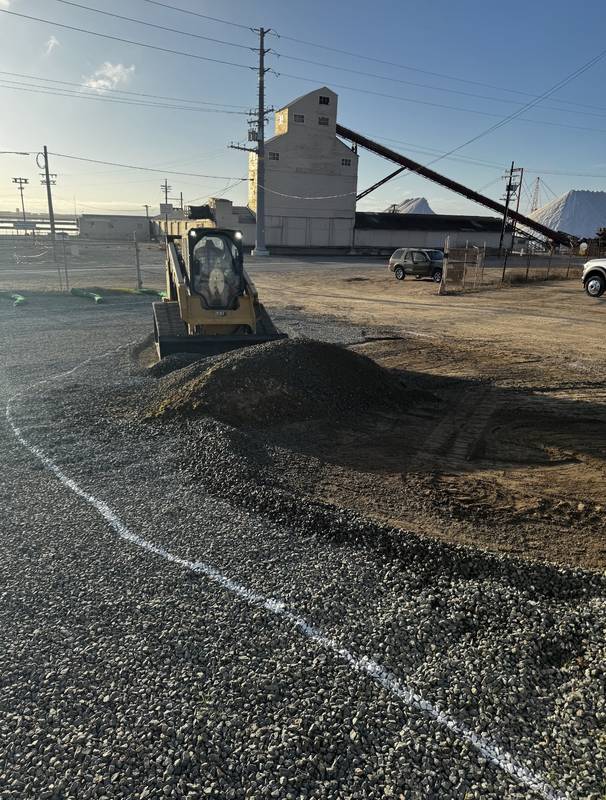
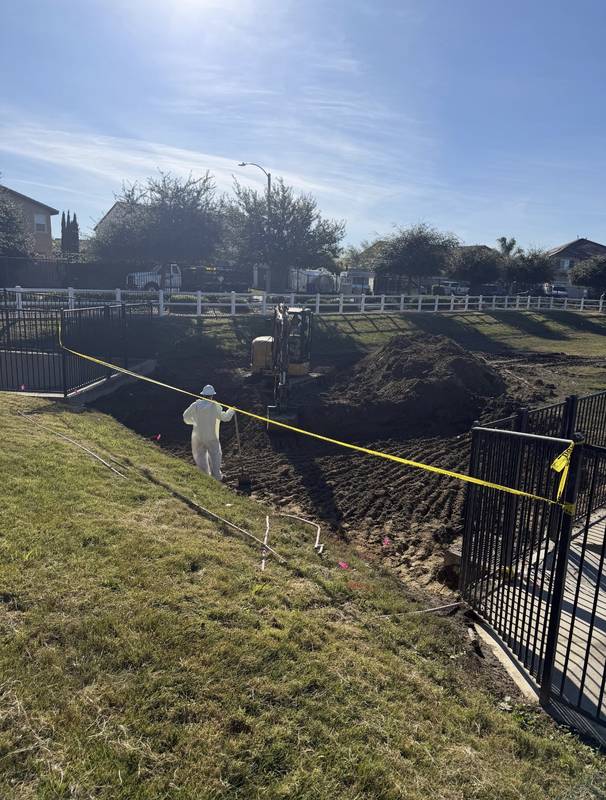
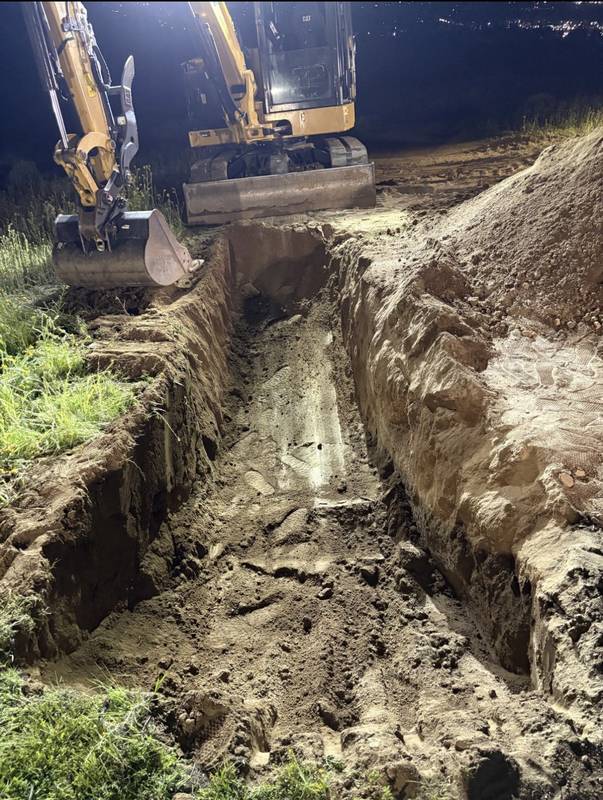
Fuel and chemical releases don't stay on the surface. Once contamination reaches soil, prompt excavation limits how far it spreads and reduces total remediation cost. Our trained crews and specialized equipment are prepared to handle excavation projects of different sizes and conditions, from a single saturated patch at an accident scene to infrastructure and storm drain contamination.
Excavated material is handled, transported, and disposed of at approved facilities, with the site stabilized and documented from start to finish.
What We Handle
- Fuel and chemical spills
- Contaminated soil removal
- Storm drain and infrastructure contamination
- Emergency site stabilization
- Impacted soil around accident scenes and industrial areas
How a Call Unfolds
Emergency excavation is usually the second phase of a spill call rather than a separate event: fuel from a ruptured saddle tank has soaked into the freeway shoulder, a leaking valve has stained the dirt beside a loading dock, or a release has run into a planter or an unpaved lot. We ask how large the wet area is, how long the product has been in the ground, what the ground is made of, and whether there are utilities, fences, or structures within a few feet. Those answers tell us whether a compact machine or a full-size excavator is loading.
On site the crew marks out the impacted area based on staining and odor, confirms utility clearance where the location requires it, and digs in lifts, checking the sidewalls and base as they go. Soil is loaded directly into lined bins, dump trucks, or supersacks staged on plastic so nothing is dragged back across clean ground. The excavation stops when the remaining soil looks and smells clean, and, where the customer or an agency wants proof, confirmation samples are taken from the base and walls before backfill.
Once the hole is confirmed clean it is backfilled with clean import material, compacted, and returned to a safe grade, or left open and fenced if a regulator wants to inspect first. On a highway shoulder the crew works with Caltrans on the final surface. The excavated soil goes to a permitted facility under manifest, and the customer receives the disposal records, the photographs, and any lab results that show the excavation reached clean soil.
On Scene
A typical emergency excavation brings an excavator or backhoe, a dump truck or lined roll-off bins, plastic sheeting, sample jars, and hand tools, with a vacuum truck if free liquid is still pooled. On the freeway, CHP maintains the closure and Caltrans is often present because the shoulder is their asset and they will want to know what is coming out and what is going back in. On private property the contact is the owner or facility manager, and a county environmental health inspector or a water board contact may attend if the release was reported. The crew explains the limits of the dig, shows the inspector the sidewalls, and lets them witness sampling if they choose.
Documentation You Receive
The customer receives a field report describing the excavation footprint, depth, the estimated tonnage removed, and photographs of the open excavation and the backfilled surface. The soil is characterized either from the known product and a waste profile or from laboratory analysis, and the receiving facility accepts it against that profile. Each load leaves under a manifest or bill of lading, and the signed copies and the facility's weight tickets come back with the disposal confirmation. If confirmation samples were taken, the lab report is included, along with a simple figure showing where each sample came from. This is the package a regulator reviews before closing the case and what an owner keeps in the property file.
Need emergency excavation now?
Available 24/7. Where access allows we dig, load, and haul under manifest the same day.
Common Questions
How do you know when you have dug enough?
The first indication is what the crew sees and smells at the sidewalls and base. Where an agency or the customer wants proof, samples from the excavation are sent to a lab and compared to the screening levels that apply to the site. Digging a little wider the first time is far cheaper than coming back a second time.
Do you need permits to dig on the freeway shoulder or a city street?
Emergency work at an active incident is generally done under the direction of the incident commander and the agency that owns the road, and they are on scene to direct it. Follow-up work after the scene is released may need an encroachment permit, and we coordinate that with the agency. Utility clearance is confirmed either way.
Where does the contaminated soil go?
To a permitted facility that accepts it based on how it was characterized: a landfill for lower-level petroleum soil, or a treatment or hazardous waste facility for material that tests above those levels. Our guide on what happens to contaminated soil explains the paths in more detail.
Can the shoulder or lot be used right away?
Once backfilled and compacted, yes, in most cases. If the excavation is left open for an inspector, it is fenced and marked until they release it. On a freeway shoulder the final surface is done to what Caltrans asks for.
Where We Provide This Service
- Los Angeles County
- Orange County
- San Bernardino County
- Riverside County
- Ventura County
- San Diego County