
24/7 Emergency Response · All of California
Emergency Spill Response & Cleanup in California
SpillSafe Environmental provides 24/7 emergency spill response and cleanup from Mentone across California.
Call for fuel, diesel or chemical releases on roads and commercial property. Share the location and known material so the team can discuss availability, access and the response needed.
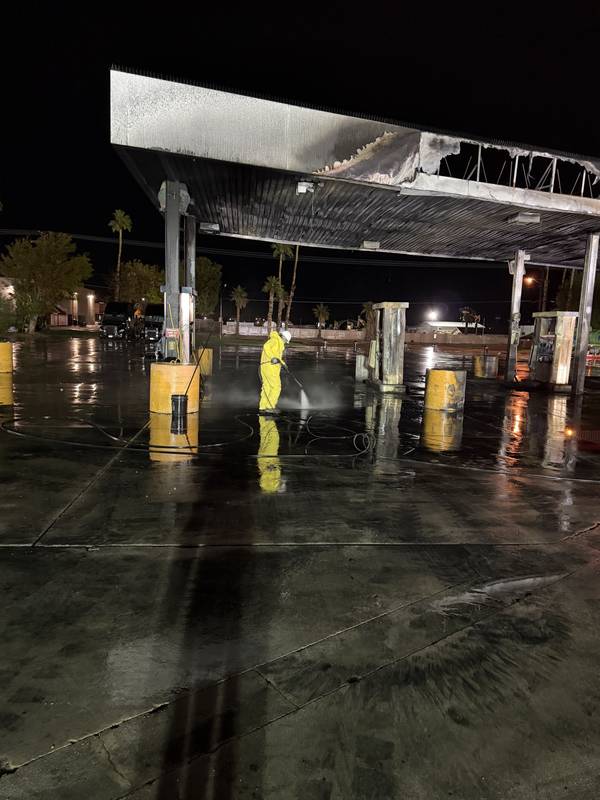
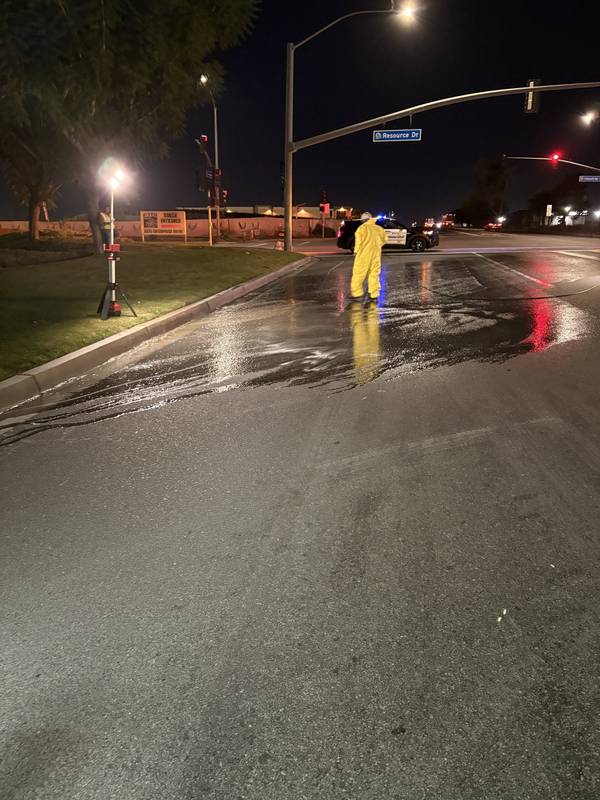
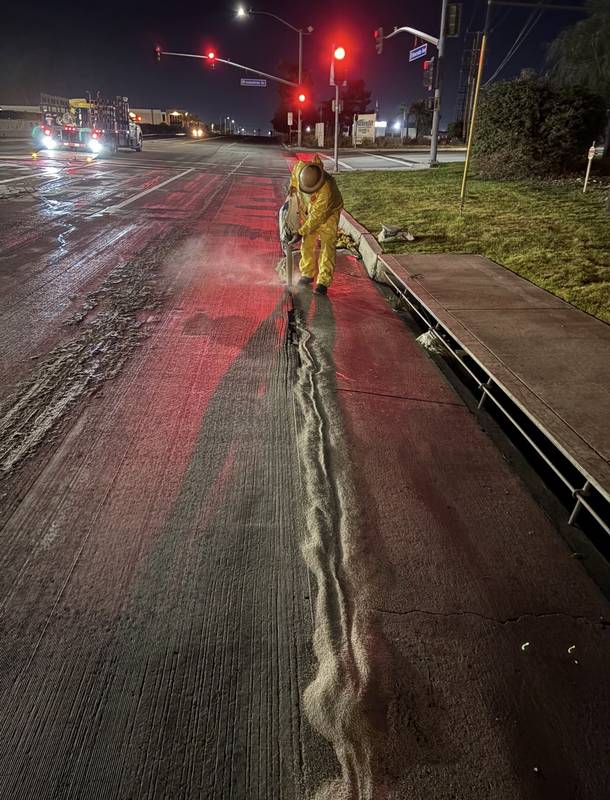
From a fuel spill after a traffic collision to a chemical release on commercial property, our crews are dispatched around the clock across Los Angeles, Orange County, the Inland Empire, Ventura County, and San Diego County. We arrive equipped to contain the release, protect storm drains and waterways, and stabilize the site so it is safe for the public and for follow-on work.
Once the scene is secure, we recover impacted materials using the proper equipment and handling procedures, then transport, manifest, and dispose of everything at approved facilities in accordance with environmental regulations. It is a complete response from first call to final disposal.
What to Have Ready When You Call
If it is safe to obtain, have the exact address or highway direction and nearest exit, the known material, an approximate quantity and the on-scene contact ready. Do not approach a release to collect this information. For immediate danger, call 911 first.
Related services: Fuel Tank Tap & Transfer and Emergency Excavation.
What We Handle
- Fuel and chemical spills on roadways and properties
- Hazardous material incidents
- Storm drain contamination
- Emergency site stabilization
- Impacted soil and surface cleanup
How a Call Unfolds
The call usually comes from a CHP dispatcher, a fleet safety manager, a tow operator already on scene, or a property manager looking at a stain that is moving. The intake questions are the same every time: where exactly, what product and roughly how much, whether it is still flowing, whether it has reached a curb, gutter, drain, or dirt, and who is on scene now. Have the shipping papers or safety data sheet handy if there are any. The answers decide what gets loaded and how many people ride.
On arrival the crew checks in with whoever holds the scene, sizes up the release, and gets ahead of it: drain covers and berms downhill first, then absorbent and containment around the source. If product is still coming out of a tank or line, stopping the flow comes before cleaning anything. Free liquid is recovered by vacuum, saturated absorbent is bagged or drummed, and the surface is worked until nothing is left to sheen up in the next rain. Impacted soil at the shoulder or in a planter is dug out and staged in lined bins.
Before leaving, the crew photographs the finished surface, notes quantities recovered, and confirms with the agency contact that the scene is released. Waste is transported to a permitted facility and the paperwork follows over the next several days: manifests, disposal confirmation, and a short report tying it together. Response records support customer, insurer and agency review. Any regulatory closure decision rests with the responsible agency; cleanup does not guarantee approval or insurance coverage.
On Scene
A typical response brings a vacuum truck or a response truck loaded with absorbent, drain covers, berm material, drums, and hand tools, with an excavator or haul truck following if soil is involved. On the freeway, CHP controls traffic and the incident, fire has usually already knocked down any ignition risk, and the tow operator is waiting to hook the vehicle. The crew reports to the incident commander, works inside the closure, and coordinates with the tow so the vehicle moves only after the tank is stable and the ground under it is addressed. On private property the contact is the owner or facility manager, sometimes with a county environmental health or water board inspector present, and the crew walks the inspector through what was contained and where it is going.
Documentation You Receive
The customer receives a field report with the time on scene, the product and estimated volume released, a description of containment and recovery, and photographs before and after. Each waste stream is characterized, either from the shipping papers and safety data sheet or by sampling when the material is unknown, and profiled with the receiving facility. Recovered liquid, spent absorbent, and soil leave under a manifest or bill of lading naming the transporter and the permitted facility, and the signed return copy comes back once the load is accepted. These documents are what an insurer, a fleet's risk department, or an agency asks for when they want proof the release was handled and the material did not simply disappear.
Need emergency spill response now?
Crews dispatch 24/7 from our Mentone yard with vacuum trucks and containment stock already loaded.
Common Questions
Who do I call first, you or the agency?
If fuel or chemical is on a public road or heading to a drain, call 911 so CHP or the local fire department can secure the scene, then call us. If you are a fleet or facility, your own spill plan may also require a report to the state, and our guide on reporting covers the thresholds. Calling us early does not replace that report, but it does stop the release from getting bigger while you make it.
What do you need from me on the phone?
Location as precisely as you can give it, the product and a rough volume, whether it is still leaking, where it is going, and a callback number for whoever is on scene. Shipping papers or a safety data sheet help us load the right equipment. You do not need to know the regulations; that is what you are calling us for.
Who pays for this?
In a traffic incident the cost typically falls to the responsible vehicle's owner or its insurance carrier, and we bill with the documentation they need. On private property it is usually the property owner or the tenant who caused the release, depending on the lease. Our guide on who pays for spill cleanup covers the common situations.
The spill already went into a storm drain. Is it too late?
No, but the sooner we are there the less there is to chase. Product in a catch basin can often be recovered by vacuum before it moves downstream, and the drain line and downstream basins can be checked. Once it reaches a channel the response gets larger and other agencies get involved, which is why we ask callers to say so immediately.
Where We Provide This Service
- Los Angeles County
- Orange County
- San Bernardino County
- Riverside County
- Ventura County
- San Diego County